Special occasion hair fails in predictable ways, and almost never because of skill. It fails because the style in the photo was built on different hair, because the trial never happened, or because the appointment landed on a morning already full of photographs, travel, and nerves. Weddings, proms, and formal photos around Huntersville all reward the same thing: a plan made weeks ahead, tested once, and kept simple on the day.
Here is the timeline that works, running backward from the event.
The working timeline
| When | What happens | Why |
|---|---|---|
| 6 to 8 weeks out | Book the event appointment and the trial | Weekend slots at salons fill first; the trial needs its own slot, not a squeeze-in |
| 4 to 6 weeks out | Color appointment | Fresh color settles after a week or two, and any adjustment still has time to happen |
| 2 to 3 weeks out | The trial run | Tests the style on your hair, with your neckline and your accessories, and times how long it takes |
| 1 week out | Trim only if planned, confirm the day schedule | A surprise new cut this late changes how the style sits; a planned tidy-up does not |
| The day before | Wash hair unless told otherwise | Most updos hold better on day-old hair than on squeaky-clean, slippery hair |
| Event day | Arrive with dry hair, wear a button-front top | The stylist starts on time, and you can change clothes without pulling anything over the finished style |
Why the trial is not optional for updos
An updo is engineering. Pins hold weight in specific places, and how much hair you have, how slippery it is, and how it responds to heat decide whether a photographed style survives four hours on your head. The trial discovers all of that on a calm afternoon: whether the style needs padding or extensions for volume, how the front sections flatter you, and how the look sits in the mirror rather than on a stranger. Changing your mind at the trial costs nothing. Changing it in the chair on the day costs the whole schedule.
Bringing the right reference photos
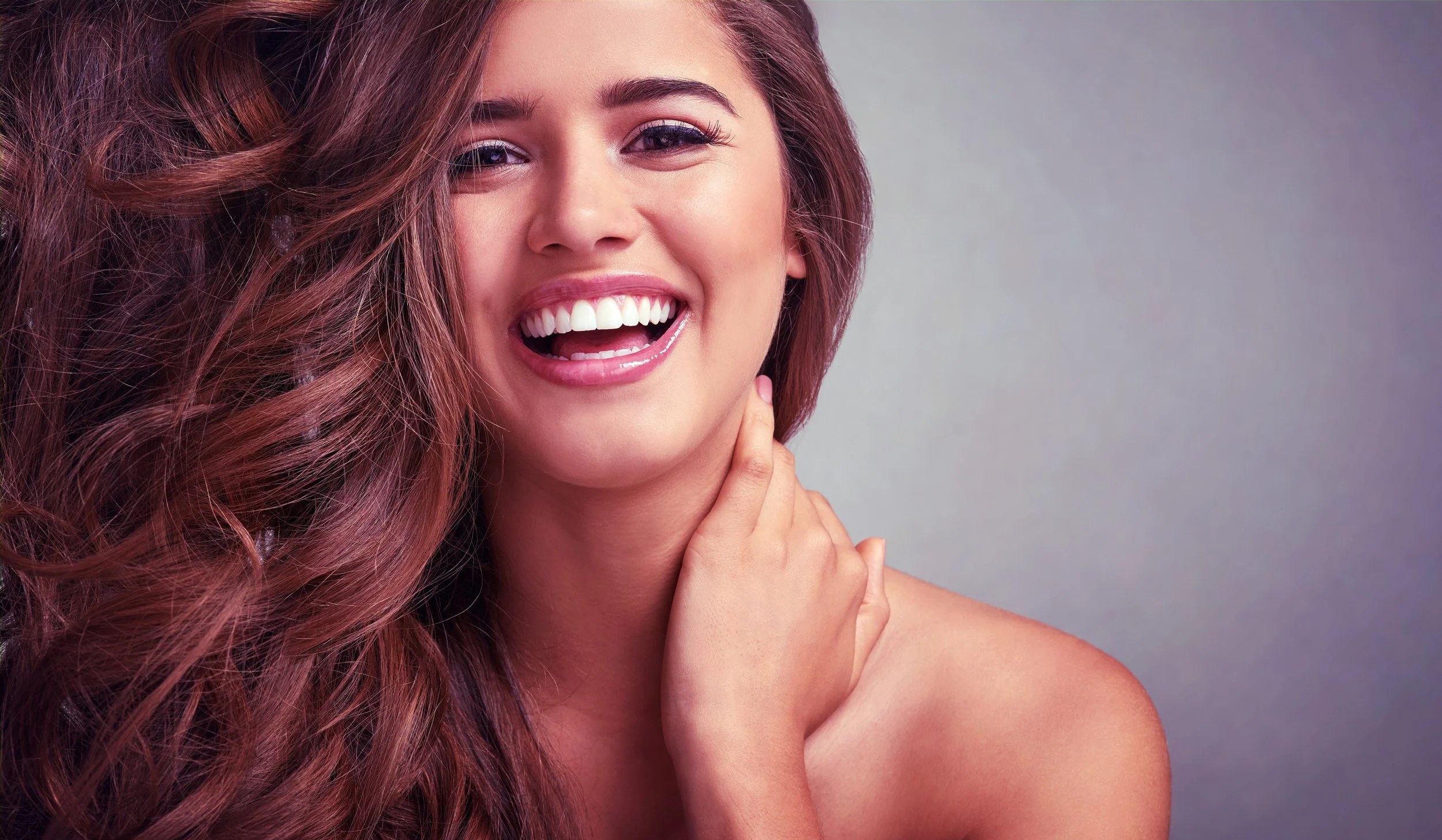
Bring two or three photos, not twenty, and prefer photos of people with hair anywhere near your color and length. A blonde style on dark hair reads completely differently because the detail that shows is contrast. Also bring a photo of the dress neckline. A high neckline and a low back ask for different things from an updo, and the stylist is dressing the whole picture, not just the head. If there is a hairpiece, veil, or set of pins you plan to wear, it belongs at the trial, not introduced on the day.
The morning itself
Allow the time the trial measured, plus a margin. Eat before. Put the emergency kit together the night before: a few spare pins, a small hairspray, blotting papers for shine in photos. If the event is outdoors in a North Carolina summer, say so at the trial, because humidity strategy (more pinning, firmer hold, less loose hair against the neck) changes the build. Loose romantic styles and August afternoons can coexist, but only when the style was designed for the weather on purpose.
Finally, keep the day's style within one decision of your normal self. Occasion photos live for decades, and the styles people regret are the ones where they do not look like themselves. A polished version of your own hair beats a stranger's hair transplanted onto your head, every time.
Booking for a group
Wedding parties and prom groups add one more variable: sequence. Hair should be scheduled so the person photographed first is finished first, and anyone helping others dress or decorate goes early, not last. Give the salon the full list of names and services when you book, not on the day, so chairs and stylists can be matched properly. One late addition can move everyone's start time, which is why headcounts for occasion mornings get confirmed a week out. If someone in the group tends to run late, put them first in the order, where their delay costs the least.
Common questions
Should I wash my hair the morning of the event?
Usually no. Most occasion styles hold best on hair washed the day before. If your hair gets oily fast, ask at the trial, since fine, oily hair is the exception.
How long does an updo appointment take?
Commonly 45 to 75 minutes depending on hair length and complexity. Your trial gives the exact number for your style, which is why it matters.
Can a stylist copy a photo exactly?
They can come close when your hair type and length match the photo. When they do not, a good stylist will say so at the trial and adapt the style to your hair rather than promise the impossible.
Photos in this guide are representative stock images.
← All guides from Accent Hair Design← Back to Accent Hair Design