Highlights and balayage both lighten hair in pieces rather than all over, and from across the room they can look like the same job. The difference shows up later, at the roots, in the weeks after the appointment. One grows out with a soft shadow. The other grows out with a fine but visible line of small pieces. Which one suits you depends less on the photo you bring in and more on how often you realistically get to a salon in Huntersville.
Here is how the two compare on the points that matter day to day: grow-out, upkeep, damage, and the look each one gives on different hair.
What each technique actually is
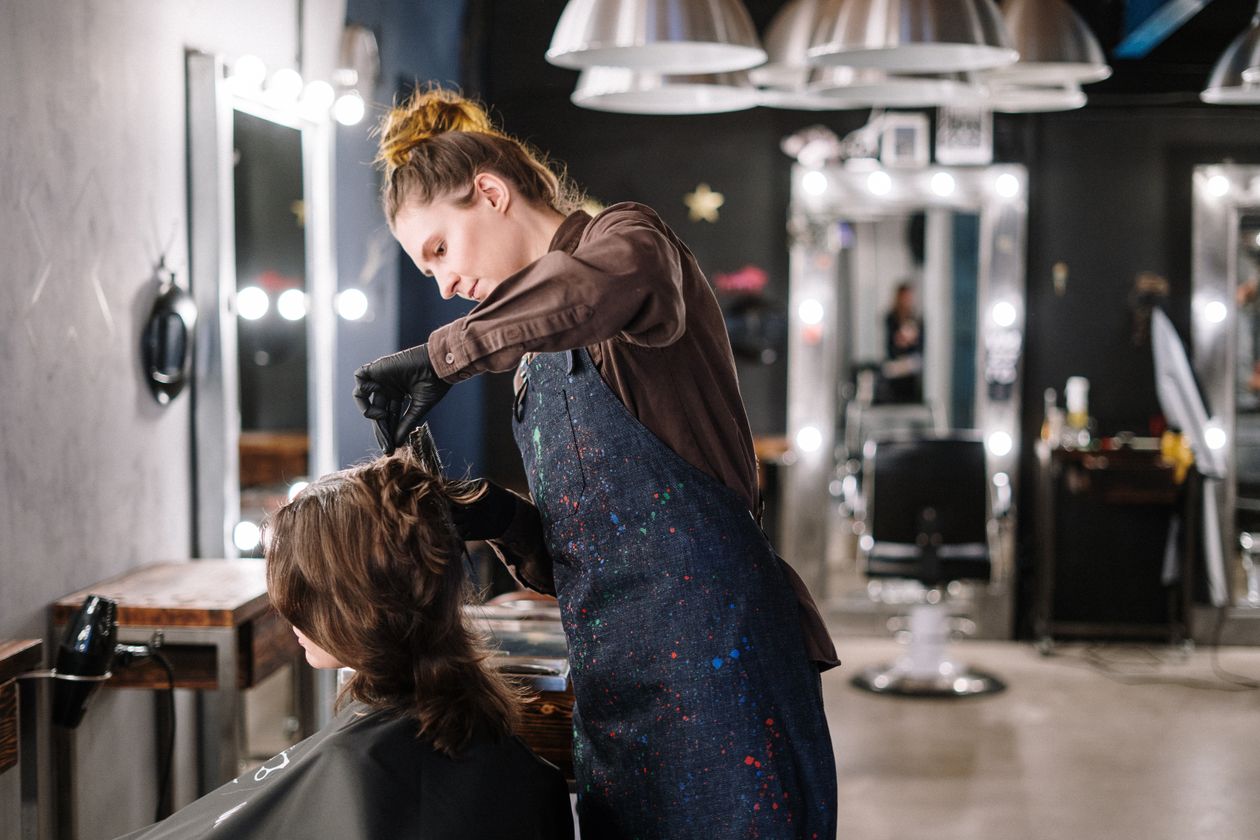
Highlights are sections of hair lightened inside foils, usually taken close to the root. The foil isolates each section so the lightener works evenly, and the result is brightness distributed through the hair in defined strands. Foils can be placed all over the head or only through the top and sides.
Balayage is painted on by hand, in a sweeping motion, with the lightest pieces concentrated toward the ends and around the face. The color is feathered at the root rather than placed at it, which is the whole reason for its soft grow-out. There is no foil line and no hard starting point.
| Point | Foil highlights | Balayage |
|---|---|---|
| Grow-out | Fine lines of regrowth visible in 6 to 8 weeks | Soft shadow, no hard line, often fine at 12 weeks or more |
| Brightness at the root | Yes, light reaches the scalp area | Roots stay closer to your natural color |
| Best for | All-over brightness, covering scattered grey by blending | A sun-lightened look, low upkeep, longer hair |
| Typical upkeep | Refresh every 8 to 10 weeks, partials in between | Refresh 2 to 3 times a year, gloss visits in between |
| Appointment length | Longer, foil by foil | Often shorter to apply, varies with hair length |
Neither row in that table is the better one. They are answers to different questions. If you want to look blonder overall, balayage will frustrate you because it deliberately keeps depth at the root. If you want to forget about your color for three months, foils will frustrate you by week seven.
Grey hair changes the answer
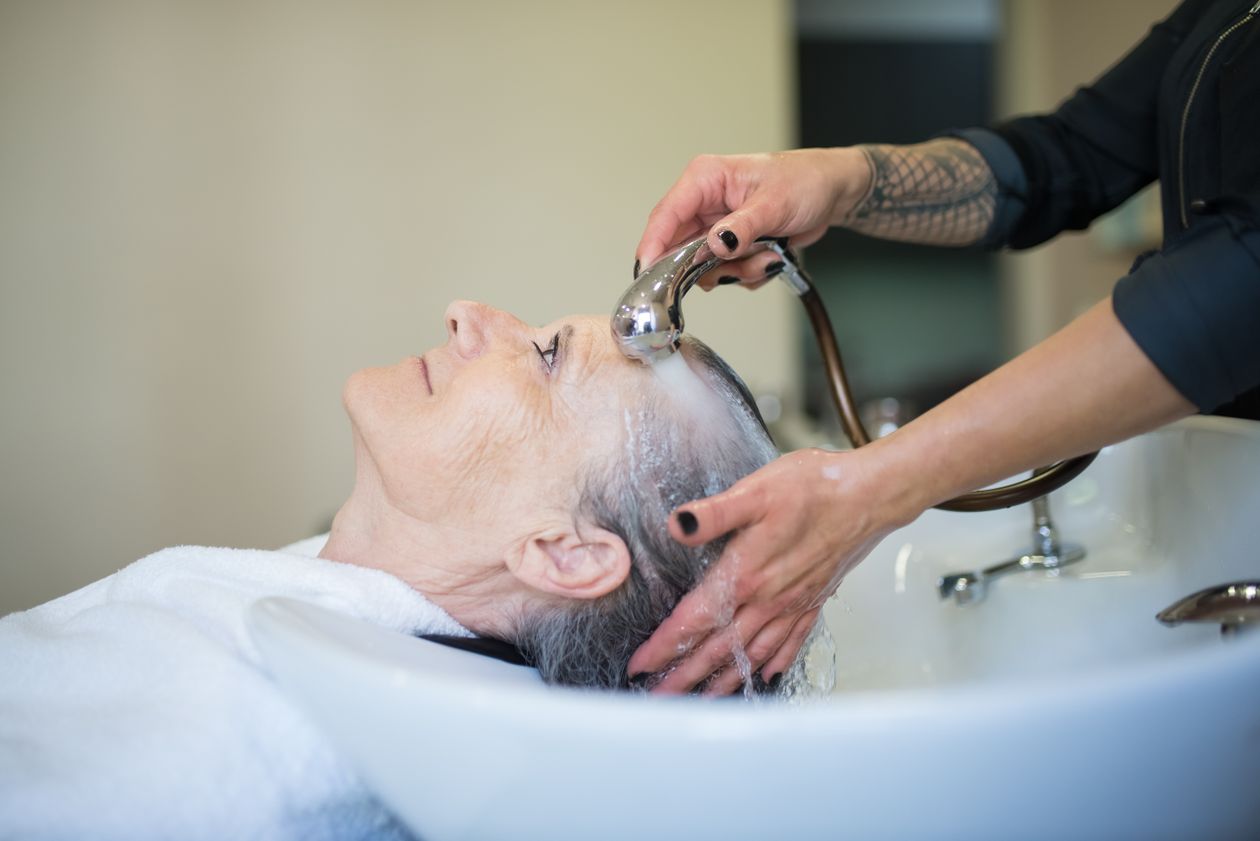
Scattered grey blends well into highlights, because the light pieces camouflage the silver ones and there is no solid root line to expose them. Balayage leaves the root area natural, so grey at the hairline and part stays visible. Clients whose main goal is disguising grey usually do better with foils, a root color between lightening appointments, or a combination of both. Clients whose grey is only starting, or who do not mind it, get the full low-maintenance benefit of balayage.
Damage and hair condition
Both techniques use lightener, and lightener is the demanding part of any color service. Foils can lift hair lighter and more evenly, which suits a big brightness change but asks more of fine or fragile hair. Balayage typically lightens less at each visit and skips the root area, so the total amount of lightened hair is lower. On hair that is already dry from Piedmont summers, pool chlorine, and daily heat styling, that difference matters. A stylist may stage a bright result over two appointments rather than push damaged hair in one sitting, and that patience is worth taking.
Choosing with your calendar, not just your camera roll
Bring the photo, by all means. Then answer three plain questions. How many salon visits a year will you actually make? Do you want brightness at your face and root, or mainly through the ends? Is covering grey part of the job? Those answers point to the technique more reliably than the photo does, because the photo only shows day one. You live with weeks six through twelve.
Many clients end up with a mix: painted brightness through the lengths, a few foils at the hairline, a gloss between big appointments. That hybrid is not indecision. It is the techniques being used for what each does best.
Common questions
Can I switch from highlights to balayage?
Yes. The usual route is to let the foils grow out while new painted pieces are placed lower, with a gloss blending the transition. Expect one in-between stage rather than an instant change.
Which one looks better on short hair?
Foils usually read better on short hair, because there is not enough length for balayage's gradient to show. On bobs and longer, both work.
Why does balayage sometimes cost a longer appointment than expected?
Long, thick hair holds a lot of painted sections, and the blending is done by eye. The time goes into placement and toning, not just application.
Photos in this guide are representative stock images.
← All guides from Accent Hair Design← Back to Accent Hair Design