A first facial makes some people nervous for a simple reason: they do not know the order of events. Skin care menus use words like exfoliation, extraction, and mask without saying when each happens or what it feels like. Knowing the sequence turns the appointment from something you endure into something you can actually relax through, which is rather the point of booking one in Huntersville.
This is the standard shape of a salon facial, step by step, including the parts clients are usually too polite to ask about.
Before anything touches your face
A good facial starts with questions. What products do you use now? Any medications, recent sun exposure, or skin treatments? Any allergies? This is not small talk. Ingredients that are fine for most people are wrong for skin on certain medications or after certain treatments, and the esthetician needs the full picture before choosing products. Mention everything, including the scrub you bought at the drugstore and only used twice.
- Cleansing. Surface makeup, sunscreen, and the day come off first, usually with a gentle cleanser worked in by hand. Nothing about this step should sting.
- Skin analysis. Under good light, the esthetician looks at your skin up close: dry patches, congestion, sensitivity, sun spots. This decides everything that follows.
- Exfoliation. Dead surface cells are loosened, with an enzyme or a mild chemical exfoliant, or gentle physical polishing. This is the step that lets later products actually reach the skin.
- Steam and extractions. Warm steam softens the pores. Extractions, where clogged pores are cleared by hand or with a tool, happen here if they are needed. This is the least relaxing step and the one people book for.
- Massage. Face, neck, and shoulders are massaged to move fluid and release tension. Most people fall half asleep here.
- Mask. A mask matched to your skin sits for several minutes: hydrating for dry skin, clarifying for congested skin, calming for sensitive skin.
- Finish. Serum, moisturizer, and sunscreen go on last, and you get plain advice on what your skin actually needs at home.
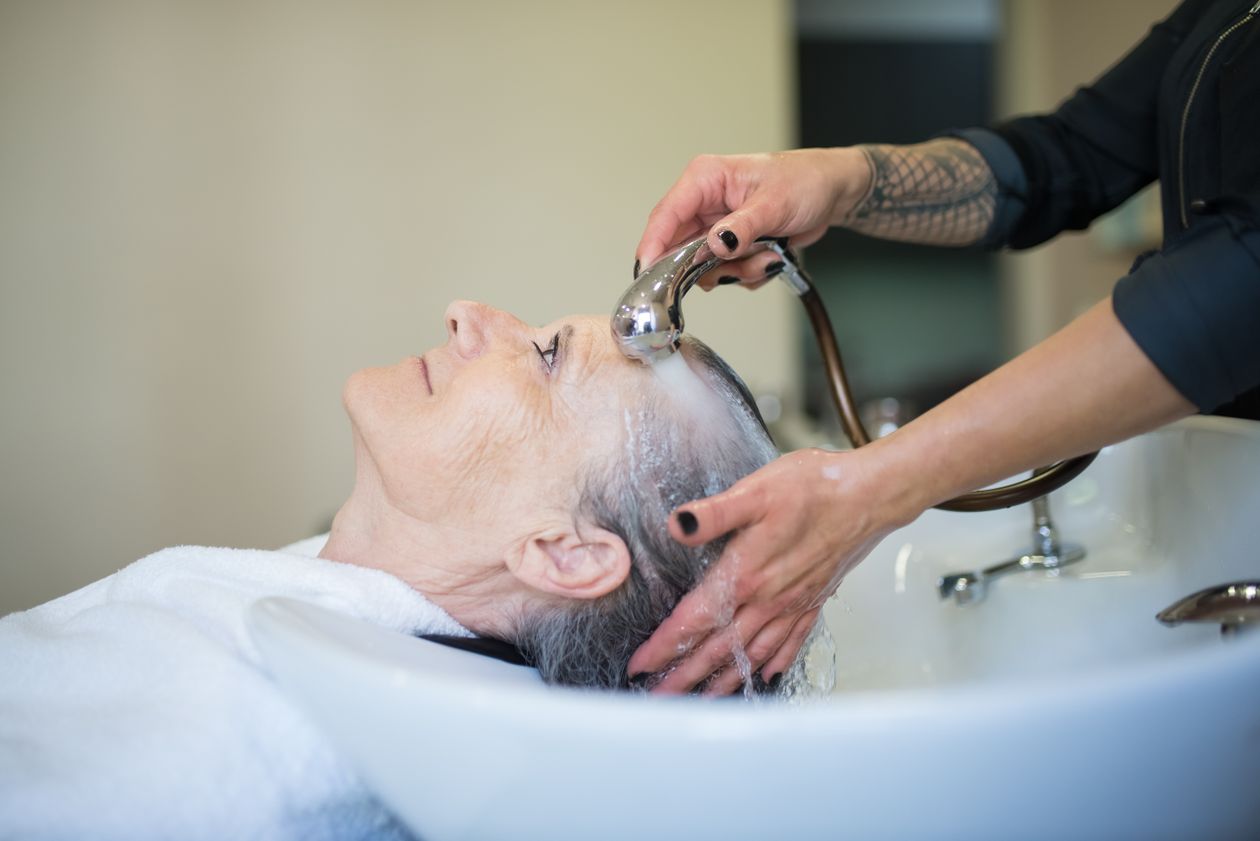
What it should and should not feel like
Tingling during exfoliation is common. Burning is not. Extractions pinch briefly. Anything beyond that deserves a word to the esthetician in the moment, not a review afterward. Speak up early, because products can be removed and pressure can change. Silence helps nobody, and professionals would rather adjust than have you lie there gritting your teeth.
Afterward, skin often looks flushed for an hour or two and clearer by the next day. Plan a first facial at least a few days before a big event rather than the morning of it, so any temporary redness is long gone and the glow is what shows in photos.
Facials and the seasons
Skin asks for different things across a North Carolina year. Summer facials lean toward clearing congestion, since heat, sweat, and sunscreen worn daily add up on the skin. Winter visits lean toward hydration, because indoor heating dries the air and skin along with it. Spring often brings sensitivity from pollen season, which a good esthetician will factor into product choices. Mentioning the season's effect on your own skin at the start of the visit helps the treatment land on the problem you actually have this month, not the one you had in January.
Keeping the result at home
A facial resets skin. It does not replace a routine. The two habits that protect the result are the boring ones: a gentle cleanser used daily, and sunscreen every morning. Charlotte-area sun is strong well beyond summer, and ultraviolet light undoes skin work faster than any other factor. If your routine has twelve products, bring the list. The esthetician can tell you which ones earn their place and which are working against each other.
Most skin does well with a facial every four to six weeks, matching the roughly monthly cycle of skin cell turnover. Congested skin may benefit from a shorter gap at first. Sensitive skin may do better spaced further apart. Your skin's response to the first visit sets the rhythm.
Common questions
Should I wear makeup to my facial appointment?
You can, since cleansing is the first step anyway, but arriving with a bare face saves time and lets the analysis start sooner. Either way is fine.
Can I get a facial if my skin is sensitive?
Usually yes, with gentler products and skipped steps where needed. Say so when booking, not just on arrival, so the right products are ready.
Will one facial fix my skin?
One facial cleans, hydrates, and clarifies noticeably. Lasting change in texture or breakouts comes from a series of treatments plus the home routine, the same way one workout does not finish fitness.
Photos in this guide are representative stock images.
← All guides from Accent Hair Design← Back to Accent Hair Design